
How to Prevent Frozen Pipes in Kitsap County, WA
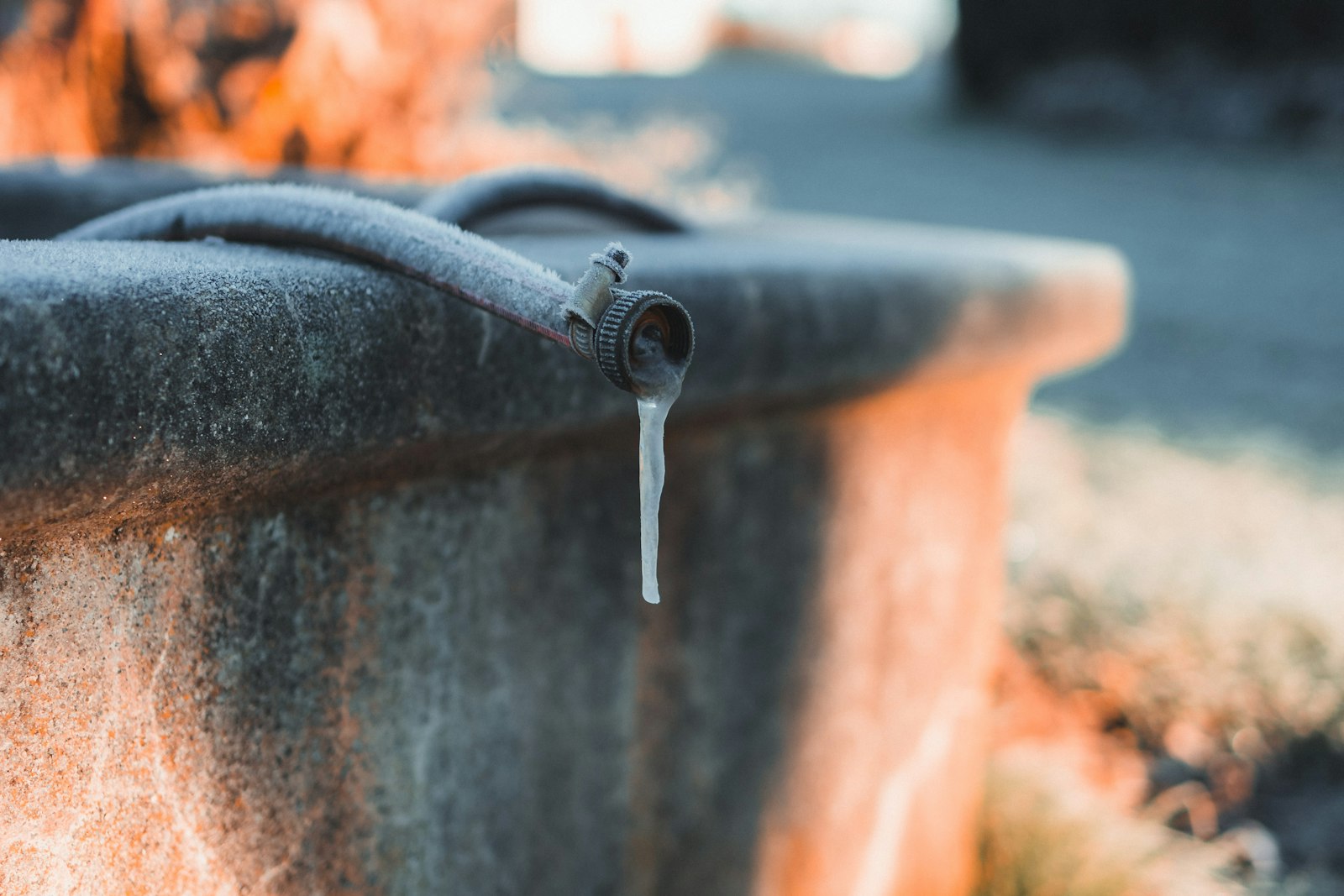
Pipes in Kitsap County freeze on the few nights when lows drop into the teens, and they freeze in predictable places: hose bibs with a hose still attached, crawl space supply lines, and pipes in an unheated garage. To prevent frozen pipes, disconnect and drain every outdoor hose, insulate crawl space and garage pipes, drip one faucet when the forecast low is under 25°F, keep the thermostat at 55°F or higher, and tag your main shut-off valve now.
If a pipe does freeze, open the faucet, warm the pipe gently with a hair dryer, and never use an open flame. If it bursts, close the main valve first and then call an emergency plumber in Bremerton.
Why Pipes Freeze in Kitsap County When the Climate Is “Mild”
Our winters are wet, not cold, and that is exactly the problem. Normal overnight lows in Bremerton sit in the mid-30s, so most homes in Kitsap County were plumbed as if a hard freeze never happens. Then one does.
On January 12, 2024, the National Weather Service forecast a high of 20°F and a low of 16°F for Kitsap County after temperatures had already fallen into the teens overnight, and the county opened cold-weather shelters in Silverdale, Port Orchard and Poulsbo, according to the Kitsap Sun. In December 2013, Bremerton recorded an overnight low of 14°F.
Those are the nights that matter. The Insurance Institute for Business and Home Safety (IBHS) puts the “temperature alert threshold” for unprotected pipes at 20°F: that is where freezing begins for pipes in attics, crawl spaces and outside walls, as summarized by the International Code Council.
The same research explains why a pipe bursts: ice forms a plug, water pressure builds between the plug and the closed faucet, and the pipe fails, often at a spot where little or no ice has formed.
In our experience, three features of Kitsap housing make this worse than the thermometer suggests. Most homes here sit over a vented crawl space rather than a basement, so the supply lines hang in air that is close to the outdoor temperature.
Nearly every house has two or more outdoor hose bibs. And a lot of garages, including the ones with the water heater in them, are not insulated or heated at all.
Which Pipes Freeze First in a Kitsap County Home?
Pelican Plumbing is a licensed, bonded and insured plumber serving Bremerton, Silverdale, Port Orchard, Poulsbo and Bainbridge Island. The freeze calls we take after a cold snap almost always trace back to one of these spots:
- An outdoor hose bib with the hose still connected. The hose traps water in the faucet and the pipe behind it, and the pipe splits inside the wall. This is the number-one cause we see.
- Crawl space supply lines, especially copper or galvanized runs near a foundation vent, where cold air blows straight across the pipe.
- Pipes in an unheated garage, including the cold and hot lines on a garage water heater and any laundry plumbing out there.
- Kitchen and bathroom sinks on an exterior wall, because the cabinet doors keep room heat away from the pipe.
- Vacant or vacation homes where the heat has been turned down or off, which is common on Bainbridge Island and around Hood Canal.
- Well pump houses and pressure tanks on rural properties outside the city water systems.
How to Prevent Frozen Pipes: A Kitsap County Checklist
The City of Bremerton’s own cold weather preparation guidance comes down to four things: tag your master shut-off valve, insulate pipes in unheated areas and not just outside, wrap or cover outdoor faucets, and disconnect and drain outdoor hoses. Here is how we would schedule that work for a Kitsap winter.
| When | What to do | Why it matters here |
|---|---|---|
| By early November | Disconnect, drain and store every garden hose. Fit foam covers on each hose bib. | A connected hose is the single most common cause of a split pipe in Kitsap County. |
| By early November | Find and tag the main shut-off valve. Turn it a quarter-turn to be sure it moves. | Every minute counts after a burst. Bremerton’s guidance is to close it immediately. |
| By early November | Wrap crawl space and garage supply lines with foam pipe sleeves. Close foundation vents that aim at pipes. | Crawl space lines sit in near-outdoor air and freeze first. |
| Before you travel | Leave the heat at 55°F or higher and have someone check the house. | The American Red Cross sets 55°F as the floor for an unoccupied home. |
| Forecast low under 25°F | Let one cold faucet on an exterior wall drip. Open cabinet doors under sinks. | Moving water relieves the pressure that bursts a pipe, and room heat reaches the pipe. |
| Forecast low under 20°F | Keep the garage door closed. Drip a second faucet on the far side of the house. | 20°F is the IBHS freezing threshold for unprotected pipes. |
One Kitsap-specific note on the drip: if you are on a private well, a dripping faucet also keeps the pump cycling through the night, which protects the pressure tank and the line from the pump house. On city water in Bremerton, Silverdale or Port Orchard, the cost of a slow drip for a few nights is a few cents.
What to Do If Your Pipes Freeze
You will usually find out at the faucet: you turn it on and get a trickle or nothing. Check the other faucets too, because if one pipe has frozen, others probably have. Then work through these steps, which follow the American Red Cross and City of Bremerton guidance.
- Open the affected faucet and leave it open. As the ice melts, running water helps clear the rest of the plug and relieves pressure.
- Find the frozen section. Start where the pipe enters the house or runs along an exterior wall, in the crawl space, or in the garage. Frost on the pipe or a bulge is a giveaway.
- Warm the pipe gently. Use a hair dryer, an electric heating pad wrapped around the pipe, a space heater kept away from anything flammable, or towels soaked in hot water. Work from the faucet end back toward the cold section.
- Never use an open flame. No blowtorch, propane heater or kerosene heater. Open flames start house fires every winter, and boiling the water inside a frozen pipe can burst it.
- Keep going until full pressure returns, then inspect the thawed section for cracks and drips. A freeze can split a pipe without any visible leak until it thaws.
- Call a plumber if you cannot find the frozen section, cannot reach it safely, or the pipe will not thaw. A frozen line inside a wall or under a slab is not a hair-dryer job.
What to Do If a Pipe Bursts
A burst pipe is a plumbing emergency because of the volume. IBHS has estimated that a crack just 1/8 inch wide can release up to 250 gallons of water a day. Shut the main valve first, before you call anyone.
If water is near outlets, the panel or appliances, switch off the power to that area at the breaker. Then open the lowest faucet in the house to drain the lines, move what you can out of the water, and photograph the damage for your insurer before cleanup starts.
The insurance numbers explain why we push prevention so hard. The Insurance Information Institute reports that water damage and freezing claims averaged $15,400 per claim from 2019 to 2023 and made up 22.6% of homeowners claims in 2023, based on ISO data. A $5 hose-bib cover and an afternoon in the crawl space are cheap by comparison.
Pelican Plumbing takes emergency calls Monday through Saturday from 6 a.m. to 5 p.m., dispatched from our shop on Wheaton Way in Bremerton. If you are our neighbour in Silverdale, our plumber in Silverdale page lists what we handle there, and the plumber in Port Orchard page does the same for the south end of the county.
Frozen and Burst Pipe Repair Cost in Kitsap County
Most frozen-pipe calls end one of three ways: a thaw with no damage, a repair to an accessible split pipe, or a repair that involves opening a wall or ceiling. The national figures below come from HomeAdvisor’s 2026 burst pipe cost data and line up with what we see in Kitsap County, where labor is the biggest share of the bill.
| Situation | Typical cost | What is included |
|---|---|---|
| Thaw a frozen pipe, no damage | About $100 flat, plus the service call | Locating the freeze and thawing it with professional equipment |
| Repair an accessible burst pipe (crawl space, garage) | $200 to $600 | Cut out the split section and splice in new pipe |
| Repair a burst pipe inside a wall | $150 to $500 for the plumbing, more for drywall | Open the wall, repair the pipe, test; wall repair is separate |
| Emergency call-out fee | $100 to $300 | Urgent dispatch, charged on top of the repair |
| Replace a long damaged run | $150 to $250 per linear foot | Multiple splits or badly corroded pipe replaced with PEX or copper |
| Average burst pipe repair (all jobs) | $500, with a range of $200 to $3,000 | Nearly 80% of the bill is labor |
Source: HomeAdvisor burst pipe repair cost guide, updated 2026. Water damage cleanup and mold remediation are separate costs and can exceed the plumbing repair many times over.
Pricing disclaimer: The cost estimates above are based on current regional market research and industry data as of 2026. Actual prices vary depending on home size, material choices, site conditions, labor rates, and other project-specific factors. Always request a free, written estimate from a licensed local contractor before budgeting for your project. Contact Pelican Plumbing for a no-obligation quote.
The Permanent Fix for Pipes That Keep Freezing
If the same crawl space line freezes every cold snap, insulation is a bandage. The lasting fixes are to re-route the line through conditioned space, replace frost-prone hose bibs with frost-free sillcocks that shut off inside the heated wall, and repipe vulnerable copper or galvanized runs in PEX. PEX tolerates a freeze far better than rigid pipe because it can expand and return to shape, which is one reason we recommend it for crawl space plumbing across Kitsap County.
Our guide to PEX vs. copper repiping covers the trade-offs, and our whole-home repiping cost guide explains what a full repipe involves.
If your home still has galvanized steel supply lines, a freeze is often the event that finally splits a pipe that was already corroded, and whole-home repiping in Bremerton becomes the sensible next step.
Frequently Asked Questions
At what temperature do pipes freeze in Kitsap County?
Unprotected pipes in crawl spaces, attics and outside walls start to freeze when the outdoor temperature reaches about 20°F, according to IBHS research cited by the International Code Council. Kitsap County sees those temperatures only a few nights a year, which is why so few homes here are plumbed to handle them. Treat any forecast low under 25°F as a night to drip a faucet.
Should I let my faucets drip during a Kitsap County cold snap?
Yes, when the forecast low is under about 25°F. Let one cold-water faucet served by an exposed or exterior-wall pipe drip slowly overnight. Running water, even at a trickle, relieves the pressure that bursts a frozen pipe. The City of Bremerton recommends the same step for severe cold, and the water cost for a few nights is minor.
How do I know if my pipes are frozen?
The first sign is a faucet that produces a trickle or nothing at all on a freezing morning. You may also see frost on an exposed pipe, a bulge in the pipe, or hear a toilet that will not refill. Check every faucet in the house, because if one line has frozen, others on the same cold side of the home usually have too.
Does homeowners insurance cover burst pipes in Washington?
Most standard homeowners policies cover sudden water damage from a burst pipe, but many exclude damage in a home left unheated or vacant, and the pipe repair itself is often not covered. The Insurance Information Institute reports an average water damage and freezing claim of $15,400 for 2019 to 2023. Read your policy and keep the heat on when you travel.
Can I thaw a frozen pipe myself?
You can if the frozen section is accessible and the pipe is not split. Open the faucet, then warm the pipe with a hair dryer, heating pad or hot towels, starting at the faucet end. Never use a blowtorch or any open flame. If the pipe is inside a wall, under a slab, or will not thaw, call a licensed plumber.
Get Ahead of the Next Cold Snap
Pelican Plumbing is a licensed, bonded and insured residential and commercial plumber based in Bremerton with 7+ years of experience and a 5.0 Google rating from 176 reviews. We offer free estimates and upfront pricing with no hidden fees, whether you need crawl space lines insulated, frost-free hose bibs installed, or a split pipe repaired after a freeze.
Serving Bremerton, Silverdale, Port Orchard, Poulsbo, Bainbridge Island and all of Kitsap County. Contact us online or call (360) 551-1981 to schedule before the first freeze.